In general, ignoring a chipped tooth is not a great idea. While the damage may look minor, a chipped tooth may point to greater dental health issues later on.
According to CareQuest, 43% of all adults have
lost one or more teeth due to decay or gum disease. Those numbers are even higher for people of color. A chipped tooth should be taken as a first sign of jeopardized dental health.
Here's what you need to know about chipped teeth and your dental situation.
Understanding a Chipped Tooth and Why It Matters
A chipped tooth occurs when part of the enamel breaks away. Your enamel, the hard, protective outer layer of the tooth, is strong but not indestructible.
Once damaged, enamel does not grow back, making early dental advice and intervention crucial.
Chips can range from tiny cosmetic flaws to deep fractures, endangering your dental health. Even small chips can compromise your mouth by allowing bacteria to penetrate the tooth more easily.
What Happens If You Don't Get a Chipped Tooth Repaired?
Leaving a chipped tooth untreated can lead to more serious problems over time. One of the most common consequences is progressive tooth damage. A small chip can grow larger as the weakened tooth structure continues to break under daily strain and use.
Another major concern is tooth decay. Chips create uneven surfaces where food particles and bacteria collect. They make the tooth harder to clean and increase the risk of cavities.
Sensitivity is another frequent issue. When enamel is lost, the underlying dentin becomes exposed. Your tooth becomes sensitive to hot, cold, and sweet foods.
Ignoring a chipped tooth can also affect your bite alignment. As the tooth wears down unevenly, it may change how your teeth come together.
When a Chipped Tooth Becomes a Dental Emergency
Not all chipped teeth require immediate emergency dental care, but you shouldn't ignore some situations. You should
seek emergency dental care if:
- The chip is large or involves a crack extending toward the gum line
- You experience severe pain, bleeding, or swelling
- The tooth appears dark or discolored after the injury
- There is sharp pain when biting down
These symptoms may indicate damage to the tooth's pulp or an infection. Both of these can worsen without prompt treatment.
Chipped Tooth Treatment Options
Your
dental treatment option will depend on the extent of the damage. Common options include:
- Dental bonding
- Dental veneers
- Dental crowns
- Root canal therapy
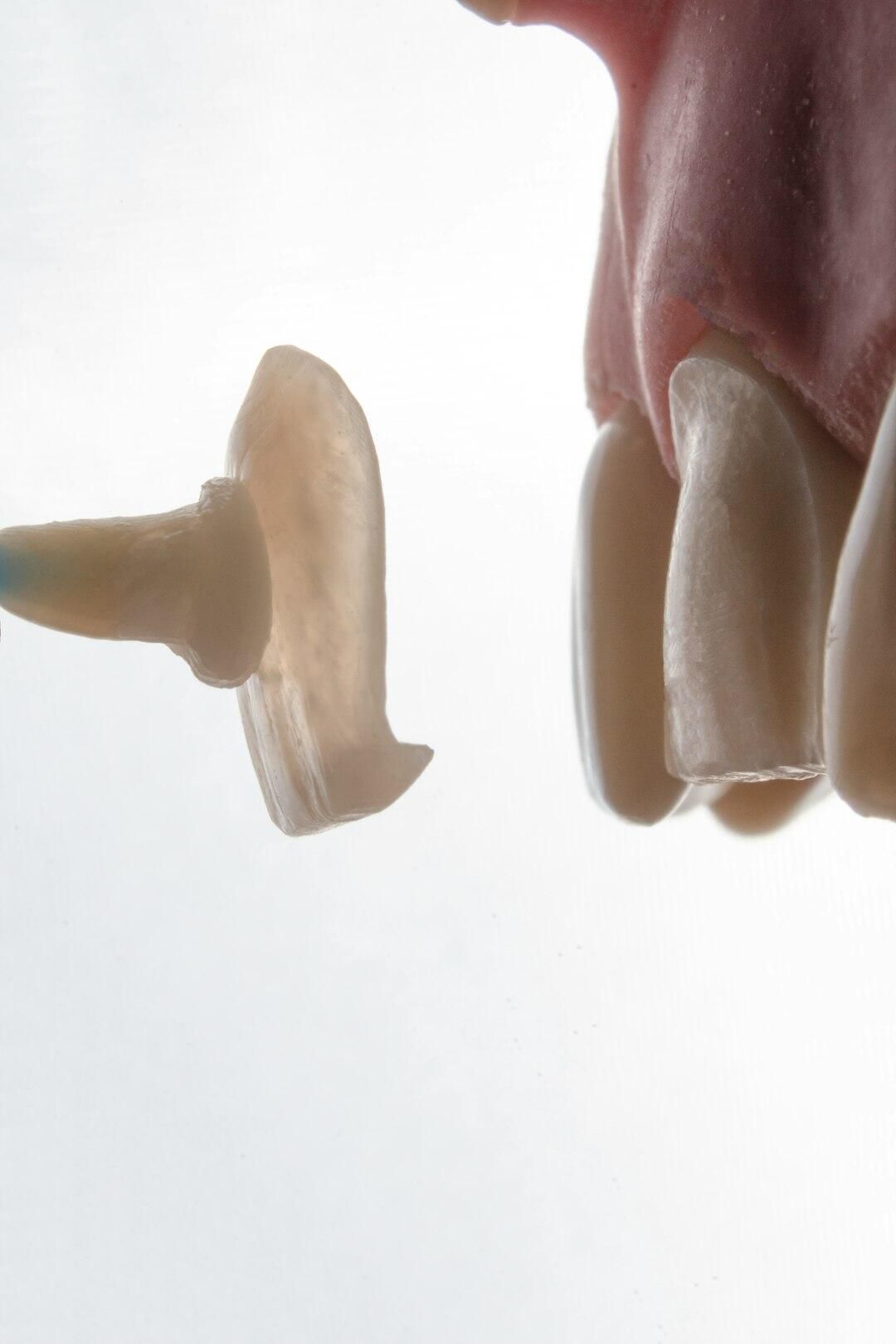
Dental bonding involves the application of tooth-colored resin to the tooth to restore its shape and function. Veneers are porcelain shells that cover the front of the tooth.
Crowns protect the remaining tooth and restore strength after major damage or a root canal. A root canal removes infected or inflamed pulp from inside a tooth to save it.
Your dentist will assess the chip and recommend the most appropriate treatment to protect your dental health and prevent future complications.
How Expensive Is It to Fix a Chipped Tooth?
The cost of fixing a chipped tooth varies based on the extent of the damage, the treatment method, and your location. Minor cosmetic repairs, such as bonding, are often the most affordable, while more complex procedures cost more.
Delaying treatment can also increase expenses. A small chip that you could've fixed with simple bonding may progress into a crack or infection. At that point, you'll require a crown or root canal to save the tooth.
In some cases, tooth loss can lead to even more costly solutions, like implants or bridges.
Many dental insurance plans cover at least part of chipped tooth treatment. Getting early dental advice can help minimize both financial and health-related risks.
Tooth Damage Prevention
Prevention plays a key role in long-term dental health. To reduce the risk of chipping a tooth:
- Avoid chewing ice, hard candy, or non-food objects
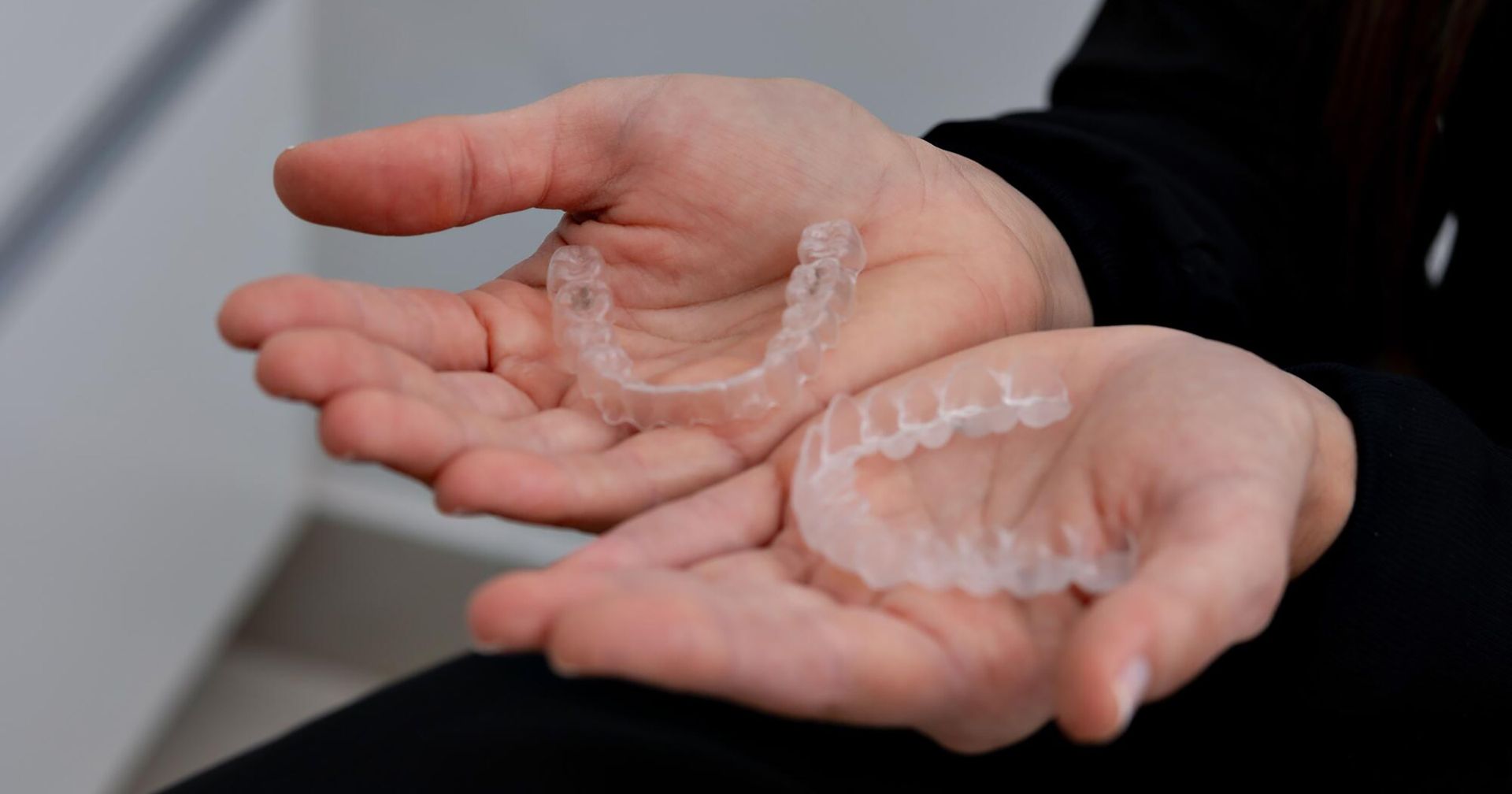
- Wear a mouthguard during sports or if you grind your teeth at night
- Maintain regular dental checkups to catch small issues early
- Address bite problems or weakened enamel before damage occurs
Proactive tooth damage prevention can save you from pain, inconvenience, and expensive treatments later.
Brush first thing in the morning and set a timer so you do it long enough. Avoid soda and opt for crunchy veggies to keep your mouth healthy. Scrape your tongue to remove any leftover plaque and bacteria.
Frequently Asked Questions
Can a Chipped Tooth Heal On Its Own?
No. Tooth enamel does not regenerate. While pain may subside, the damage remains and often worsens without professional treatment.
The same applies to any kind of tooth infection caused by the damage. Antibiotics can only help so much before you'll need a root canal to clear it out.
Is a Chipped Tooth Always Painful?
Not always. Many chipped teeth cause no immediate discomfort, which is why they're often ignored.
However, lack of pain does not mean the tooth is healthy. Certain parts of the tooth may be exposed and can fall victim to infections.
Can a Chipped Tooth Cause Bad Breath?
Yes. Cracks and chips can trap bacteria and food particles, leading to decay and persistent bad breath over time.
Should I Avoid Certain Foods With a Chipped Tooth?
Avoid hard, sticky, or crunchy foods that can worsen the chip or cause further cracking. Softer foods are safer until treatment is completed.
You may also want to avoid any hot or spicy foods and drinks that can irritate the area. It's especially important if dentin is exposed, as those items can cause serious pain.
Maintain a Healthy Smile
Safe to say, it is not wise to ignore a chipped tooth and go on with your life as normal. Even minor chips can compromise your dental health, lead to decay, and result in more invasive and expensive treatments if left untreated. Seek timely dental advice and appropriate treatment to protect both your smile and oral health.
Oak Ridge Dental can help your family with all their dental needs, from routine checkups to dental implants. We also provide emergency dental care for when there's no time to book a later appointment.
Reach out with any questions and to schedule your first checkup.