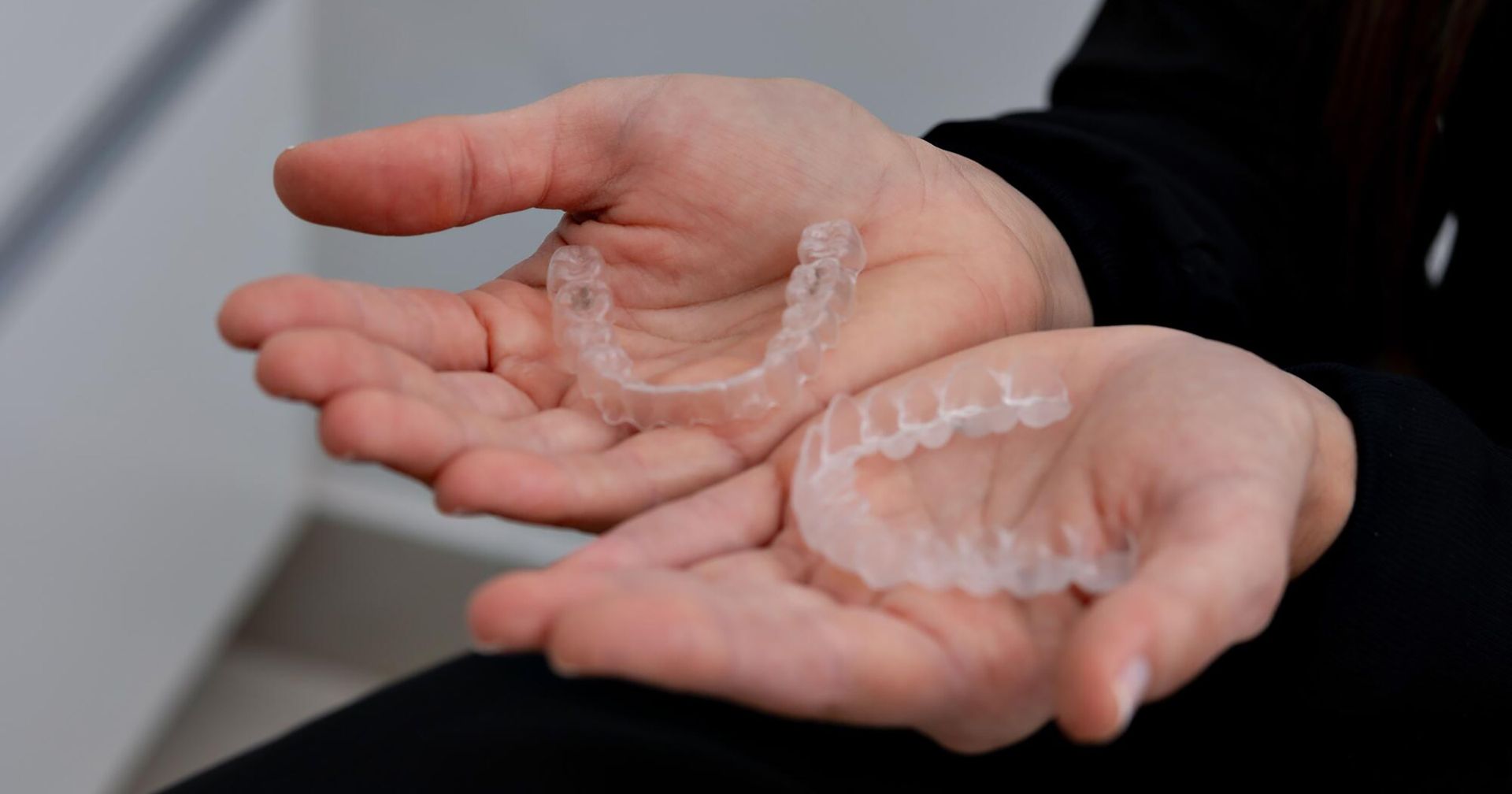
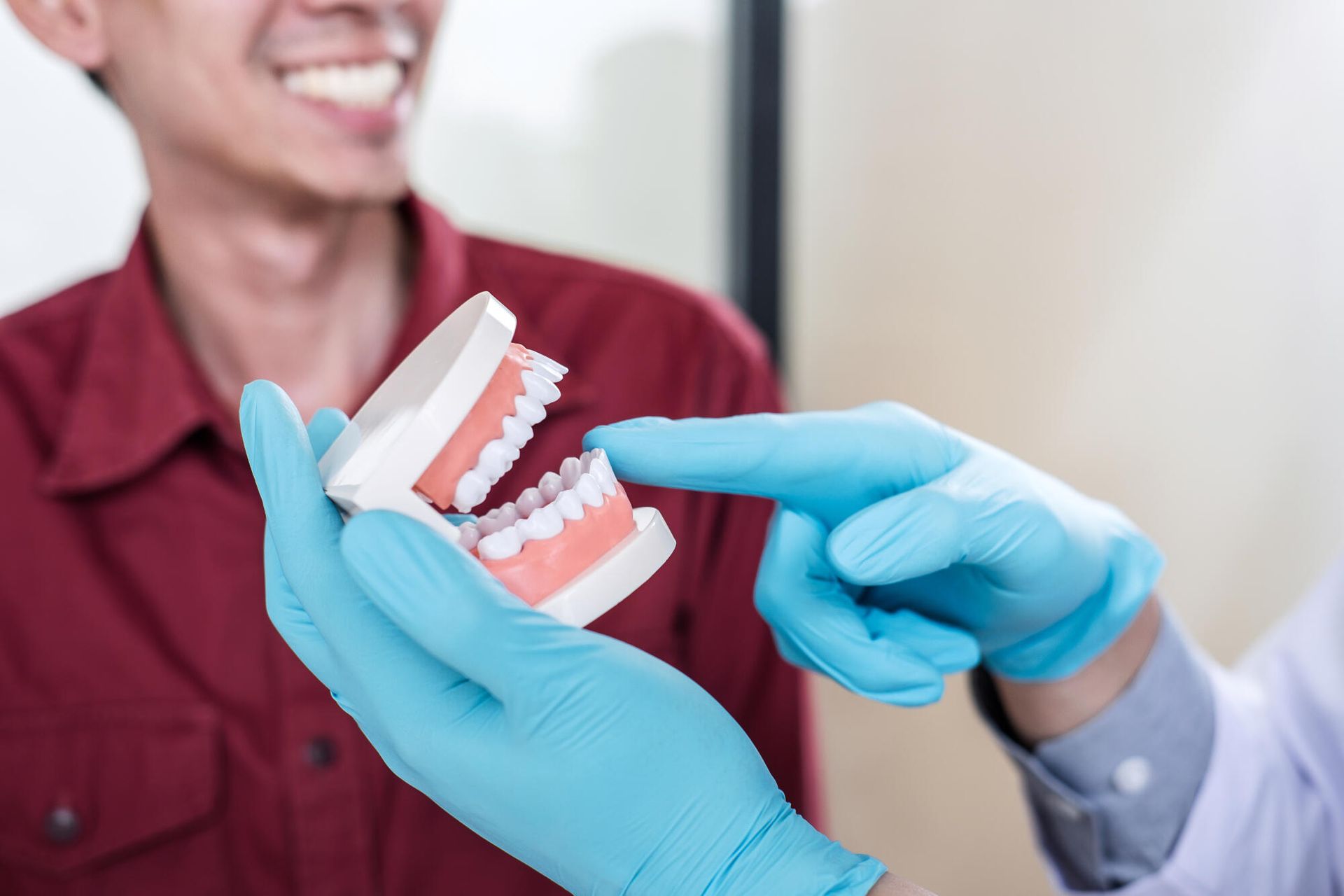
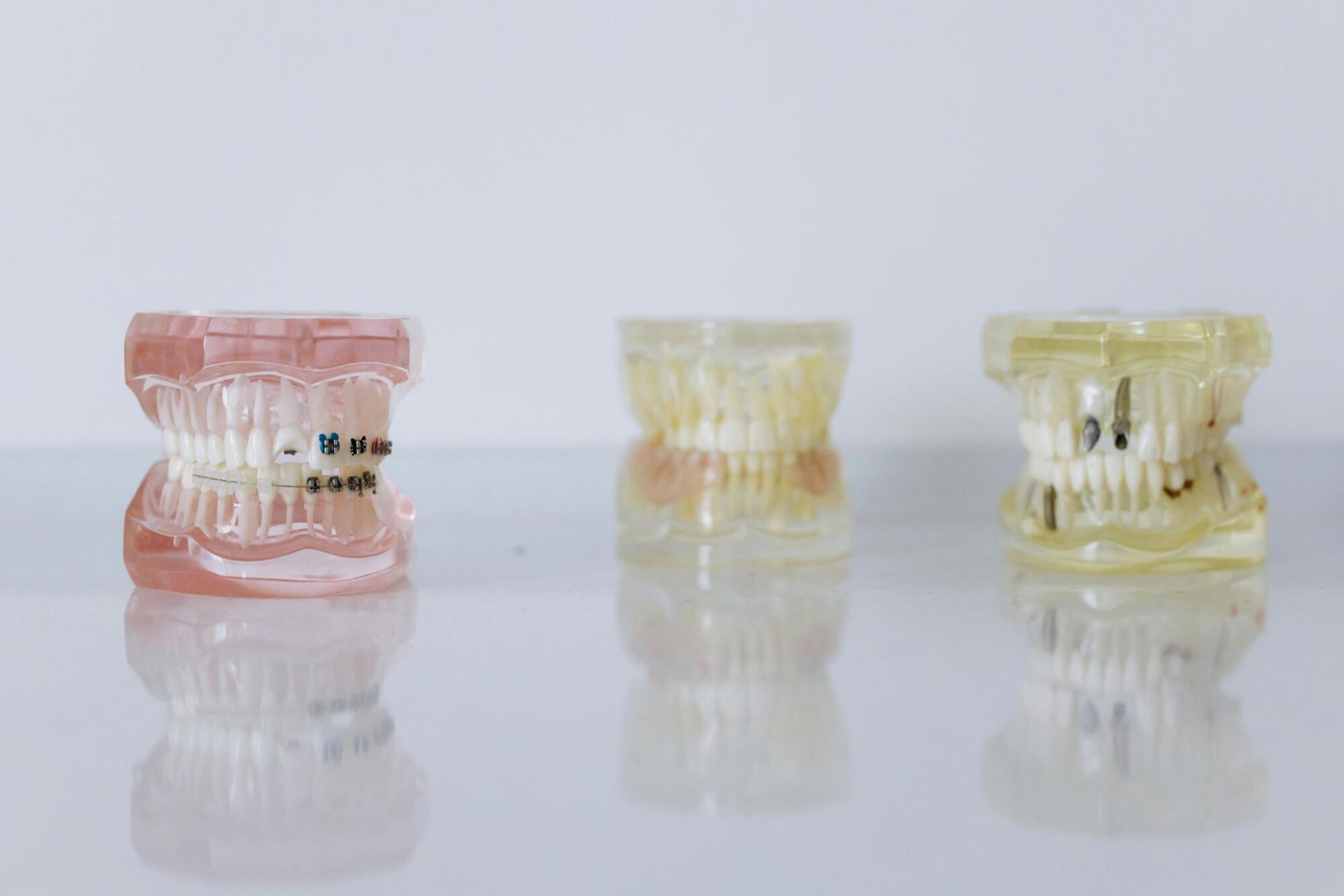
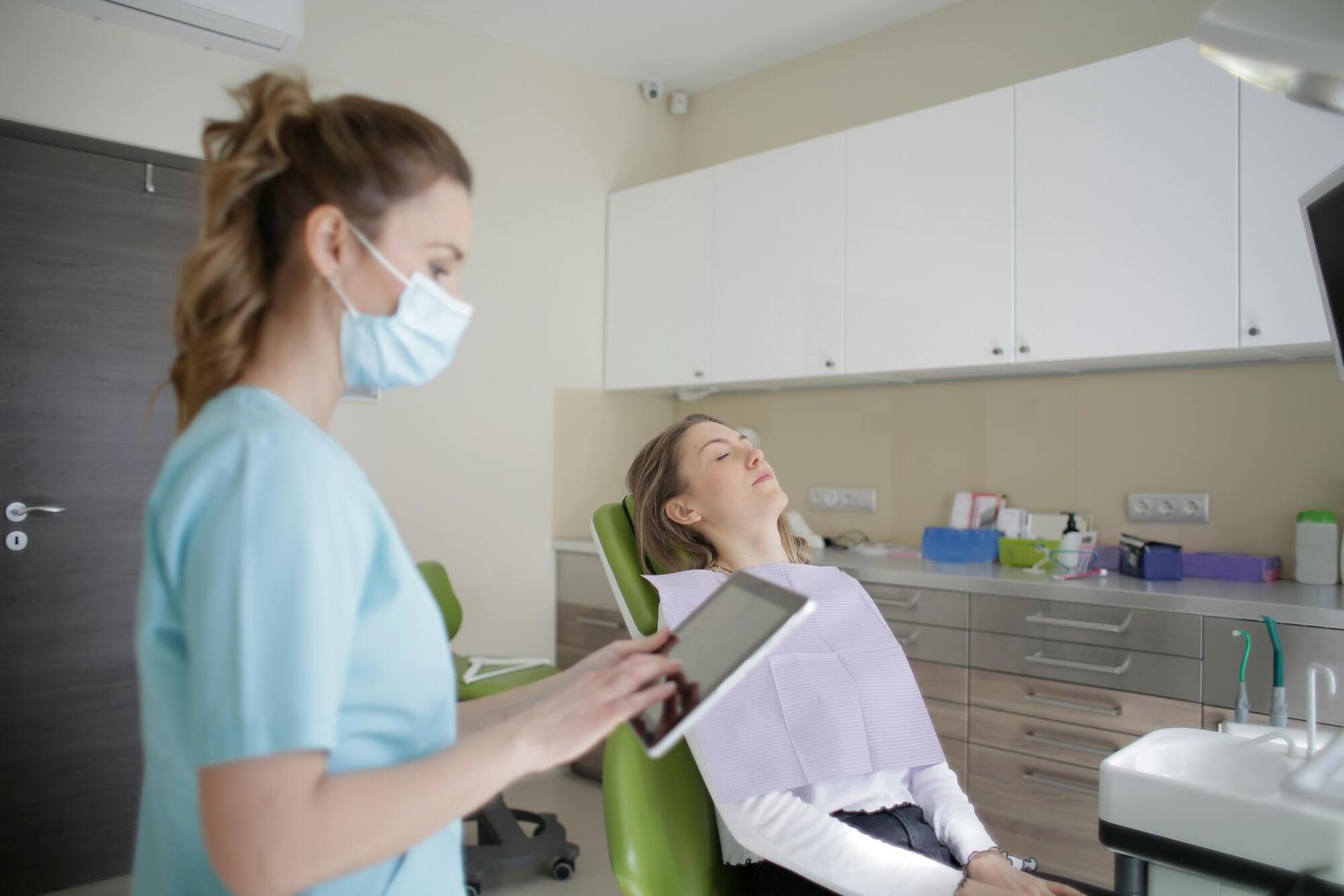
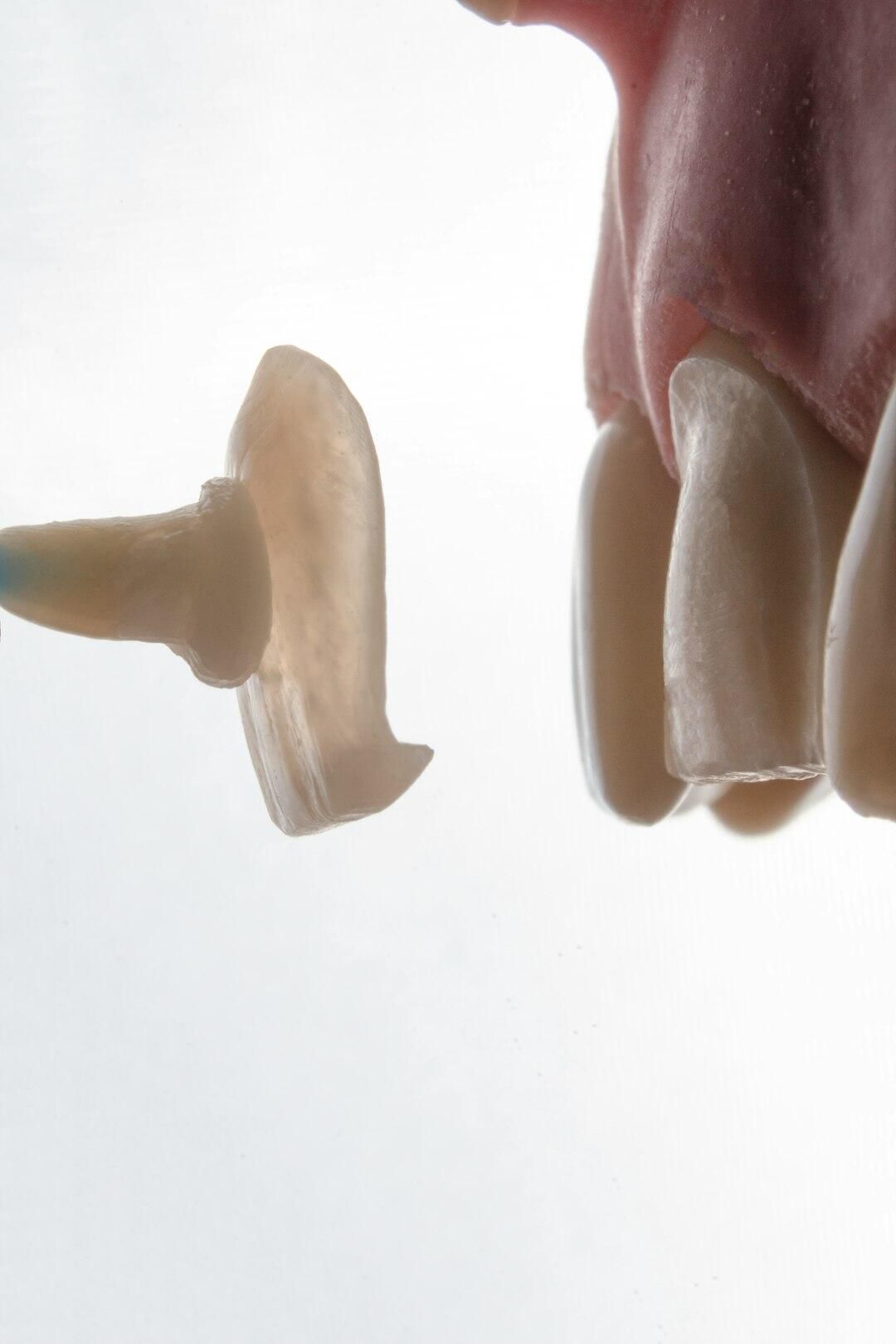
A dental sealant is a thin protective coating applied to the chewing surfaces of molars.
The coating forms a barrier that helps prevent tooth decay by blocking food particles and bacteria from settling into deep grooves.
According to JADA+,
1 in 5 children and 1 in 4 adults in the U.S. have untreated tooth decay. Key dental sealant benefits include lowering future treatment needs.
How do dental sealants work? A dental sealant procedure hardens resin to bond securely with the tooth enamel.
Helping preserve natural tooth structure maintains stronger, healthier teeth. Learn more about enhancing your dental care health in Garland, TX, below.
What Are the Key Dental Sealant Benefits for Children and Adults?
Dental sealants provide early protection for permanent molars that develop deep pits and fissures. Children benefit from added defense soon after these teeth erupt.
Adults with cavity-prone molars may gain similar protection when grooves remain intact. Sealants reduce exposure to plaque buildup in areas that are difficult to clean.
A
preventive dental approach helps limit the need for more complex treatments.
How Do Dental Sealants Work to Support Tooth Decay Prevention?
Dental sealants support tooth decay prevention. The dental sealant works by isolating vulnerable chewing surfaces from constant exposure to sugars and acids.
This separation reduces the chance for bacteria to break down enamel over time. Dentists often recommend sealants for molars with naturally deep anatomy.
Early application helps protect teeth during formative years when cavity risk is highest. Consistent monitoring during routine exams ensures the protective layer continues performing effectively.
What Happens During a Dental Sealant Procedure at a Dental Care Visit?
A dental sealant procedure is completed during a routine dental care visit. It generally only takes a few minutes per tooth.
Dentists identify molars with deep anatomy that increase cavity risk. The sealant material flows into the narrow fissures before setting.
Patients remain comfortable throughout treatment. There is no drilling or anesthesia required.
Precise placement ensures even coverage across chewing surfaces. After confirming proper sealant placement and stability, the patient is free to go about their day.
When Should a Dental Sealant Be Applied for Maximum Effectiveness?
Dental sealants should be applied when teeth are fully erupted. The enamel should be strong enough to bond with the material.
Early application prevents plaque accumulation in deep grooves before decay begins.
Family dentists evaluate individual risk factors, including diet and oral hygiene habits, to determine the best timing.
Applying sealants at the right stage enhances overall durability and effectiveness. Doing so helps teeth remain intact and more resistant to cavities.
Can Dental Sealants Be Placed Over Existing Fillings or Cavities?
The CDC reports that around
91% of American adults have at least one dental filling. Dental sealants are typically placed on healthy tooth surfaces rather than over untreated cavities.
A dentist will first evaluate whether decay or damage requires a filling or other restorative treatment. Sealants may be applied around small existing fillings when the surrounding grooves remain vulnerable.
Careful placement helps protect exposed enamel areas that are still prone to cavity development.
Do Dental Sealants Require Special Maintenance or Follow-Up Visits?
Dental sealants typically do not require daily maintenance beyond regular brushing and flossing. Dentists recommend routine dental checkups every six months to monitor the sealant's condition.
During these visits, a dentist can repair or reapply any sealant that has chipped or worn down. Maintaining oral hygiene and attending scheduled appointments helps ensure the sealant remains effective.
Proper care can extend its lifespan. Routine checkups support long-term oral health without additional specialized treatments.
How Do Dental Sealants Compare to Fluoride Treatments for Cavity Prevention?
Research from
NYU Dentistry's Center for Oral Health Policy and Management reveals that community water fluoridation reduced cavities in children by 40% to 70% and tooth loss in adults by 40% to 60% between 1945 and 1999.
Dental sealants provide a durable physical barrier over molar grooves. It prevents food particles
and bacteria from causing cavities.
Fluoride treatments strengthen enamel through naturally occurring minerals. This increases resistance to decay over time.
Using both methods together offers a two-fold approach to maximize protection against future tooth decay.
What Are Common Misconceptions About Dental Sealants Parents Should Know?
Many parents mistakenly believe dental sealants contain harmful chemicals. However, they are safe and non-toxic.
Parents may think sealants are only for children. Adults can also benefit from treatment.
Another common misconception is that sealants eliminate the need for brushing or flossing. In reality, brushing and flossing still play a vital role in dental care.
Understanding these facts helps parents make informed decisions. Educating families encourages proactive dental care.
Frequently Asked Questions
Are Dental Sealants Safe for People With Sensitive Teeth?
Yes. Dental sealants are generally safe for people with sensitive teeth. Placement does not irritate nerves or exposed dentin.
In many cases, sealing vulnerable surfaces can reduce irritation from food and temperature changes. It helps preserve comfortable daily chewing and oral function.
Dentists will evaluate sensitivity causes before recommending sealants.
Can Dental Sealants Be Repaired or Reapplied If They Wear Down?
Yes. Dental sealants can be repaired or reapplied if wear occurs from chewing or grinding over time.
Dentists can examine sealants during routine visits to identify areas where coverage has thinned or fractured. Reapplication restores protection without replacing the entire sealant layer.
This targeted maintenance approach preserves the original placement.
Do Dental Sealants Affect the Way Teeth Feel When Biting or Chewing?
Dental sealants usually feel unnoticeable after placement because the layer is very thin. Most patients adjust to the surface within a short time.
A dental professional checks bite alignment after application to ensure normal contact between teeth.
Any slight unevenness can be quickly adjusted for comfortable chewing and bite function.
Experience Comprehensive Dental Care with Oak Ridge Dental in Garland, TX, Today
Dental sealants play an important role in preventive dentistry by protecting vulnerable tooth surfaces from early decay. A dental sealant offers a simple way to strengthen long-term oral health without invasive treatment.
Routine dental visits help maintain sealant condition and overall tooth health.
Oak Ridge Dental, located in Garland, TX, offers Family Dentistry, Preventive Care, General Dentistry, and Emergency Dentistry. Dr. Phong Lan Nguyen provides comfort-focused, personalized care with tailored treatment plans to meet your unique goals.
Let our caring team keep your smile healthy.
Contact Oak Ridge Dental to schedule a dental consultation appointment with us today.