
Patient Education
Knowledge That Helps You Take Better Care of Your Smile
Understanding your oral health can make it easier to maintain a healthy smile and make informed decisions about your dental care.
At Oak Ridge Dental, we believe patient education is an important part of preventive care. Our patient education resources provide simple, helpful information about common dental topics, treatments, and everyday habits that can affect your oral health.
Explore our educational resources below and learn more about taking care of your teeth and gums.
How to Brush and Floss Your Teeth
Brush with a soft toothbrush and a little toothpaste. Clean all your teeth—front, back, and chewing parts.
Floss by sliding a small piece of floss gently between your teeth. Ask a grown-up to help until you can do it yourself.
Do this every day for a healthy smile!
Understanding Dental Conditions & Treatments
Find answers to common dental questions and explore treatment options.
PERIODONTAL DISEASE
What is periodontal disease?
Periodontal disease, also called gum disease, is an infection caused by bacteria that damages the gums and the
bone that support your teeth.
Warning Signs
- Bleeding when brushing or flossing
- Red, swollen, or sore gums
- Bad breath that does not go away
- Loose or sensitive teeth
- Gums pulling away from your teeth
- Pain when chewing
Can it spread?
The bacteria linked to gum disease can be passed through saliva, such as by sharing toothbrushes or utensils. Good oral hygiene helps lower your risk.
Can it be cured?
Periodontal disease is not something that simply goes away. It can be treated and controlled, but it requires ongoing care to keep the disease from getting worse.
Why is treatment important?
The bacteria can damage the bone that holds your teeth in place. Bone lost from periodontal disease cannot naturally grow back. If too much bone is lost, the tooth can become loose and may eventually fall out or need to be removed.
How is it treated?
Treatment may include a deep cleaning (scaling and root planing) to remove bacteria and buildup below the gums. Regular dental visits, cleanings, brushing, flossing, and good daily care are important for maintaining healthy gums and protecting the bone around your teeth.
CAVITIES
What is a cavity?
A cavity is a hole or damaged area in a tooth. It happens when bacteria and plaque use sugar from the foods and drinks we have. This creates acid that slowly damages the tooth.
Warning Signs
- Tooth sensitivity to hot, cold, or sweet foods
- Tooth pain or aching
- A visible hole or dark spot on the tooth
- Pain when chewing
- Food getting stuck in one area
How is a cavity fixed?
A cavity is usually treated with a filling. The dentist removes the damaged part of the tooth, cleans the area, and fills it with a strong material to protect the tooth and restore its shape.
What happens if it is not treated?
A cavity does not heal on its own. It can continue to grow deeper into the tooth. If the decay reaches the nerve, it can cause severe pain, infection, and swelling.
At that point, the tooth may need a root canal and crown. If the tooth is too damaged to save, it may need to be
removed.
The good news: Finding and treating a cavity early can help save your tooth and prevent bigger problems.
DENTAL SEALANTS
What are dental sealants?
Dental sealants are a thin protective coating placed on the back teeth. The back teeth have small lines and spaces where food and bacteria can get stuck. Sealants cover these areas to help keep them clean and protect the teeth from cavities.
Why are sealants important?
Even with good brushing, it can be hard to clean these small spaces completely. Sealants add an extra layer of protection against cavities.
Who can benefit from sealants?
Sealants are often recommended for children and teenagers, but adults may benefit from them too.
What happens without sealants?
Food and bacteria can collect in hard-to-clean areas and may cause cavities over time.
The good news: Sealants are a quick and simple way to help protect your teeth from cavities.
CRACKED TEETH
What is a cracked tooth?
A cracked tooth is a tooth that has a small break or fracture in it. Cracks can happen from biting hard foods, grinding, injury, or normal wear over time.
Warning Signs
- Pain when biting or chewing
- Sensitivity to hot or cold
- Pain that comes and goes
- A feeling that something is stuck between teeth
How is it treated?
Treatment depends on how deep and severe the crack is. Options may include a filling, crown, root canal, or removal of the tooth if it cannot be saved. A nightguard is also recommended for patients who are prone to cracked teeth.
What happens if it is not treated?
A crack can grow larger and allow bacteria to enter the tooth. This can lead to infection, severe pain, and possible tooth loss.
The good news: Early treatment can help protect the tooth and prevent bigger problems.
NIGHTGUARD
What is a nightguard?
A nightguard is a custom-made appliance worn while sleeping to protect your teeth from grinding and clenching.
Why might you need one?
Many people grind or clench their teeth while sleeping without knowing it.
Warning Signs
- Jaw soreness or tightness
- Worn-down, chipped, or small/short teeth
- Grinding sounds while sleeping
- Morning headaches
- Tooth sensitivity
What happens without protection?
Grinding can wear down your teeth, cause cracks, increase sensitivity, and weaken your teeth over time.
The good news: A nightguard helps protect your teeth from damage caused by grinding and clenching.
ROOT CANAL
What is a root canal?
A root canal is a treatment used to save a tooth that has an infected or damaged nerve. This can happen when a cavity gets too deep, a tooth cracks, or the tooth is badly damaged.
Warning Signs
- Severe or lasting tooth pain
- Strong sensitivity to hot or cold
- Pain when biting or chewing
- Darkening of the tooth
- Swelling or a pimple on the gums
- Bad taste or drainage around the tooth
How is a root canal done?
The dentist removes the infected or damaged nerve and bacteria from inside the tooth. The inside of the tooth is cleaned, filled, and sealed to prevent infection from coming back.
A crown is often placed after a root canal to protect the tooth and help prevent it from breaking.
What happens if it is not treated?
An infected tooth will not heal on its own. The infection can spread to the bone, gums, and surrounding tissues. It can cause swelling, severe pain, and an abscess.
If the tooth cannot be saved, it may eventually need to be removed.
The good news: A root canal can remove the infection and help save your natural tooth.
DENTAL BRIDGES
What is a dental bridge?
A dental bridge is a fixed replacement for one or more missing teeth. It uses the teeth next to the empty space to support a replacement tooth.
Why might you need a bridge?
A missing tooth can make it harder to chew and can cause nearby teeth to shift into the empty space. A bridge fills the space and helps restore your smile and bite.
How does a bridge work?
The teeth next to the missing tooth are prepared to support the bridge. A custom-made replacement tooth is attached to crowns that fit over the supporting teeth. Once cemented in place, the bridge stays in your mouth and is designed to look like natural teeth.
What happens if a missing tooth is not replaced?
Nearby teeth can shift, your bite can change, and the bone in the area of the missing tooth can shrink over time.
The good news: A dental bridge can help replace missing teeth, improve chewing, and restore your smile.
DENTAL IMPLANTS
What is a dental implant?
A dental implant is a long-lasting replacement for a missing tooth. It is made of a small titanium post that is placed into the jawbone and acts like the root of a tooth. A custom crown is then placed on top to create a natural-looking replacement tooth.
Why might you need an implant?
Dental implants are used to replace missing teeth and help restore your ability to chew, speak, and smile with confidence.
What happens when a missing tooth is not replaced?
When a tooth is missing, the bone that supported the tooth can begin to shrink over time. Nearby teeth may also shift into the empty space, which can affect your bite and make cleaning more difficult.
How is an implant placed?
The implant post is carefully placed into the jawbone. During healing, the implant bonds with the bone to create a strong foundation. Once healed, a custom crown is attached to complete the new tooth.
Depending on your individual condition and the amount of available bone, you may need a bone graft and/or a sinus lift before or during implant placement to create a strong foundation for the implant.
The good news: Dental implants can help replace missing teeth, protect your oral health, and create a natural-looking smile.
PARTIAL DENTURE
What is a partial denture?
A partial denture is a removable dental appliance that replaces one or more missing teeth. It helps you chew, speak, and smile while also helping keep your other teeth from shifting.
Why might you need one?
Missing teeth can make it harder to chew and may cause nearby teeth to move or tilt into the empty space. A partial denture fills the space and helps support your bite.
What happens if missing teeth are not replaced?
Over time, nearby teeth can shift or tilt into the empty space. This can change your bite and make it harder to clean between your teeth. The bone in the area of a missing tooth can also shrink over time.
Replacing missing teeth can help maintain your bite, make chewing easier, and support your remaining teeth.
How does it work?
A partial denture uses replacement teeth and a base that fit around your natural teeth. It can be taken out for
cleaning and should be cared for every day.
How do you care for it?
- Clean your partial denture every day.
- Rinse it after eating.
- Brush your natural teeth and gums every day.
- Follow your dentist's instructions about wearing it at night.
- Visit your dentist regularly to make sure it still fits properly.
The good news: A partial denture can help restore your smile, improve chewing, and replace missing teeth.
FULL DENTURE
What is a full denture?
A full denture is a removable dental appliance that replaces all of the teeth in the upper or lower jaw. It can help you chew, speak, and smile.
Why might you need one?
A full denture may be needed when teeth are missing, badly damaged, or cannot be saved. It provides replacement teeth and helps restore your ability to eat and smile.
What happens without teeth?
Missing all of your teeth can make it difficult to chew and speak. The jawbone can also shrink over time because there are no tooth roots to stimulate the bone. This can change the shape of your face and make dentures harder to keep in place.
How does a full denture work?
A full denture is made to fit your mouth and replace your missing teeth. It rests on your gums and can be removed for cleaning.
How do you care for it?
- Clean your denture every day.
- Rinse it after eating.
- Clean your gums, tongue, and roof of your mouth.
- Follow your dentist's instructions about wearing it at night.
- Keep your denture moist when it is not being worn.
- Visit your dentist regularly to check the fit and your oral health.
The good news: A full denture can help restore your smile, improve chewing, and make everyday activities
easier
TOOTH EXTRACTION
What is a tooth extraction?
A tooth extraction is when a dentist removes a tooth from the mouth. This may be needed when a tooth is too damaged or unhealthy to be saved.
Why might a tooth need to be removed?
- Severe tooth decay
- A tooth that is badly cracked or broken
- Serious infection
- Advanced gum disease
- A tooth that is causing problems because there is not enough room
What happens if a bad tooth is not removed?
A tooth that is badly damaged or infected will not get better on its own. Leaving it untreated can lead to bigger problems, such as severe pain, swelling, infection, bone damage, and problems with nearby teeth. In some cases, the infection can spread to other areas of the body.
What happens after an extraction?
After the tooth is removed, the area needs time to heal. We will give you instructions to help the area heal properly.
What happens if a missing tooth is not replaced?
Nearby teeth can shift into the empty space, which can affect your bite and make cleaning harder. The bone in the area can also shrink over time.
Your dentist may recommend replacing the tooth with an implant, bridge, or partial denture.
The good news: Removing a tooth that cannot be saved can help stop pain or infection and prevent bigger
problems.
WISDOM TEETH
What are wisdom teeth?
Wisdom teeth are the last set of molars that usually come in during the late teen years or early adulthood.
Why can wisdom teeth cause problems?
Many people do not have enough room for wisdom teeth to fully come in. They may become trapped, grow in the wrong direction, or be difficult to clean.
Warning Signs
- Jaw pain or swelling
- Pain around the back teeth
- Swollen or irritated gums
- Bad taste or infection near the tooth
What happens if they are not treated?
Problem wisdom teeth can lead to infection, cavities, gum problems, or damage to nearby teeth.
The good news: Monitoring and treating wisdom teeth at the right time can help prevent future problems.
BRACES
What are braces?
Braces are used to slowly move teeth into better positions. They can straighten crooked or crowded teeth,
improve your bite, and make your teeth easier to keep clean.
Why might you need braces?
Braces may be recommended if your teeth are crowded, crooked, overlapping, or do not come together properly when you bite. Straightening your teeth can improve your smile and also make it easier to take care of your teeth and gums.
How can crooked teeth affect your oral health?
When teeth are crowded or overlap, it can be harder to brush and floss between them. Tight spaces can trap food and plaque, making these areas more difficult to clean. Over time, plaque buildup can increase the risk of cavities and gum problems.
What are the benefits of braces?
- Straighten crooked or crowded teeth
- Make brushing and flossing easier
- Help prevent food and plaque from getting trapped in hard-to-clean areas
- Improve the appearance of your smile
- Help create a more balanced dental arch
- Improve the way your teeth fit together when you bite
- Help support healthier teeth and gums
What happens without treatment?
Crooked or crowded teeth can be harder to clean properly. Plaque and food can build up in areas that are difficult to reach, which may lead to cavities, gum inflammation, and other dental problems. An uneven bite can also put extra pressure on certain teeth.
The good news: Braces do more than straighten your smile. They can make your teeth easier to clean, improve your bite, and help support your long-term oral health.
INVISALIGN
What is Invisalign?
Invisalign uses a series of clear, removable aligners to gently move your teeth into better positions. The aligners are made specifically for your teeth and are a more discreet alternative to traditional braces.
Why might you choose Invisalign?
Invisalign can help improve crowded, crooked, or spaced-out teeth and can also help with certain bite problems. It may be a good option if you want to straighten your teeth without brackets and wires.
How does Invisalign work?
Your dentist will create a treatment plan based on your teeth and smile. You will wear a series of custom-made clear aligners, with each set gently moving your teeth a little closer to their final positions. As you move from one set to the next, your smile gradually becomes straighter.
What are the benefits of Invisalign?
- Clear and less noticeable than traditional braces
- Helps straighten and improve your smile
- Easy to remove for brushing and flossing
- Remove them when eating and drinking
- Can help improve certain bite problems
- Makes it easier to maintain your normal oral hygiene routine
Why is wearing your aligners important?
Invisalign works best when you wear your aligners as directed. They need to be worn consistently so your teeth can continue moving as planned. Taking them out too often or for long periods can slow down your treatment.
The good news: Invisalign can help straighten your teeth and improve your smile with clear, removable aligners that fit easily into your everyday routine.
More Oral Health Resources
How to Floss Properly
Flossing is an important part of your daily oral hygiene routine. While brushing cleans the surfaces of your teeth, flossing helps remove plaque and food particles from between your teeth and along the gumline—areas your toothbrush may not reach.
Making flossing part of your daily routine can help support healthy teeth and gums and complement your regular dental care.

Why Is Dentistry Important?
Regular dental care is about more than keeping your smile looking its best. Routine dental visits allow your dentist to monitor your oral health, identify potential problems early, and help you maintain healthy teeth and gums.
Preventive care can also help address dental concerns before they become more serious or require more extensive treatment.

What Is Periodontal Disease?
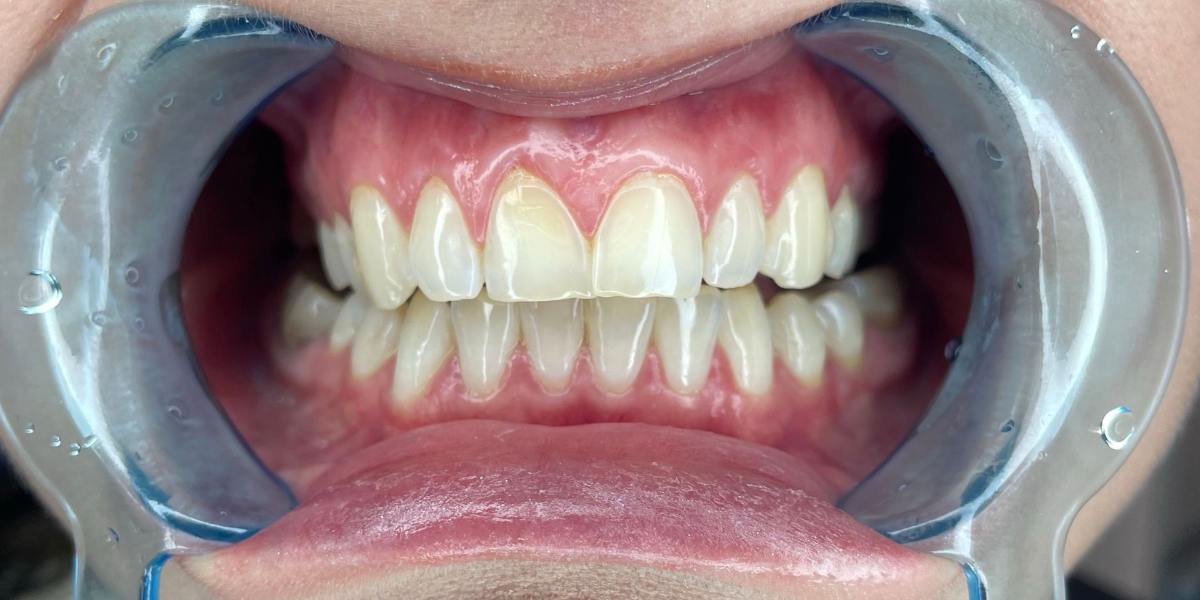
Periodontal disease, commonly known as gum disease, is an infection and inflammation that affects the tissues supporting your teeth.
It can begin with plaque buildup and may cause symptoms such as red, swollen, or bleeding gums. Without appropriate care, gum disease can progress and affect the supporting structures around your teeth.
Regular dental care and good oral hygiene are important for maintaining healthy gums.
Can Periodontal Disease Be Transmitted?
Periodontal disease itself is not generally considered contagious like a cold or flu. However, bacteria associated with periodontal disease can be exchanged through saliva.
This is one reason maintaining good oral hygiene and regular dental care is important for everyone. If you have concerns about your gum health, a dental evaluation can help identify potential problems and determine whether treatment may be needed.