Jaw pain can develop as a result of toothaches, sinus infections, nerve issues, or blood vessel problems. Some of the warning signs that your toothache may have caused nerve damage include numbness in the neck or face, severe headaches, and throbbing pain in your face or jaw.
According to News In Health, more than
10 million individuals living in America suffer from jaw dysfunction and pain. For some people, jaw pain develops from an injury, while for others there's no obvious cause.
Understanding what causes a toothache goes a long way toward knowing when to see a dentist in Garland, TX.
What Causes a Toothache? Debunking the Main Causes of Jaw Pain
The most common cause of jaw pain is temporomandibular joint (TMJ) disorder. This disorder causes
severe pain in your head, neck, and jaw. When left untreated, jaw pain due to the TMJ can lead to nerve damage.
Other major causes of jaw ache include the following:
- Arthritis
- Dental issues such as a
chipped tooth
- Referred jaw pain as a sign of joint issues or a heart attack
- Infections like tetanus or mumps
What Are Five Warning Signs of Nerve Damage Caused by TMJ?
The main sensory nerve located on your face is the
trigeminal nerve. This nerve contains three branches that transport feeling to your:
The trigeminal nerve is located near your TMJ.
TMJ disorders can cause pressure on this nerve tissue, causing burning, electric, or sharp nerve pain. Below are five warning signs of nerve damage behind an unexplained jaw ache:
1. Facial Tingling or Numbness
You may experience pins and needles on your face that may spread to your jaw, cheek, and the area surrounding your mouth. This numbness or tingling may either remain constant or be on and off throughout the day.
If you're experiencing this symptom, it means the pressure on your trigeminal nerve is affecting standard sensation signals.
2. Changes in Sensation When You Touch Your Face
Do some parts of your face have different sensations to touch? For instance, certain areas may be more super sensitive to a light touch, while others have little to no feeling. This difference is more noticeable when:
- Applying makeup
- Washing your face
- Shaving
Altered sensation means that the nerve signals on your skin are processing abnormally.
3. Shooting or Electric Pains in Your Jaw or Face
You feel sudden, sharp pains that resemble electric shocks. These jolts of pain can be intense but last for a short period of time. Shooting attacks mostly occur when you:
- Brush your teeth
- Talk
- Chew food
- Touch your face
4. Severe Molar Sensitivity With No Dental Issues
Nerve damage as a result of TMJ disorder may cause symptoms similar to pulpitis warning signs. Among these signs is severe sensitivity or pain in your teeth.
However, when examined by a
dentist in Garland, TX, no dental problem is found. No gum recession, cracked tooth syndrome, cracks, or cavities are visible to explain the pain.
The trigeminal nerve controls sensation in the teeth. TMJ problems can irritate the nerve, causing tooth pain in people with healthy teeth.
5. Burning Sensation In Your Face or Mouth
If you're experiencing a burning sensation in your face, tongue, or mouth with no visible cause like an infection or sore, it's probably a sign of nerve damage. This burning feeling may be constant, uncomfortable, and affect your lips, inner cheeks, the roof of your mouth, and tongue.
People who have a burning sensation are most likely suffering from small fiber neuropathy or nerve irritation.
When Should You See a Dentist in Garland, TX for Jaw Pain?
It's advisable to reach out to your dentist if you have unexplained jaw pain that's persistent for more than a week. Additionally, if your symptoms are getting in the way of your daily activities, like speaking or eating, you require
immediate professional care.
Nerve damage as a result of TMJ disorder occurs more frequently and doesn't improve with rest. Delayed dental care risks include progression of the nerve damage problem as well as unsuccessful treatment outcomes.
Prolonged compression of the nerves can lead to lasting damage. Nerves that are compressed for years or months may fail to recover fully if not checked early.
Frequently Asked Questions
What's the Difference Between TMJ Nerve Damage and TMJ Pain?
Normal TMJ pain is achy and dull. It gets worse when you're moving your jaw to yawn, talk, or chew. The discomfort is localized around your jaw joint. Adequate rest usually helps improve the pain.
On the other hand, the pain caused by TMJ nerve pain is more severe and occurs without moving your jaw. Aside from just your jaw joint, the sensation also occurs in your ear, teeth, and face.
What Are the Treatment Options for Nerve Damage Caused by Jaw Pain?
The ideal treatment plan for nerve damage caused by TMJ issues depends on factors like how severe your symptoms are, your medical history, and age. Treatment options include:
- Nerve pain medications like gabapentin and amitriptyline
- Physical therapy to strengthen and stretch your jaw
- Nonsteroidal anti-inflammatory drugs (NSAIDs)
- Stress management therapies or techniques
- Eating softer foods that don't put pressure on your jaw
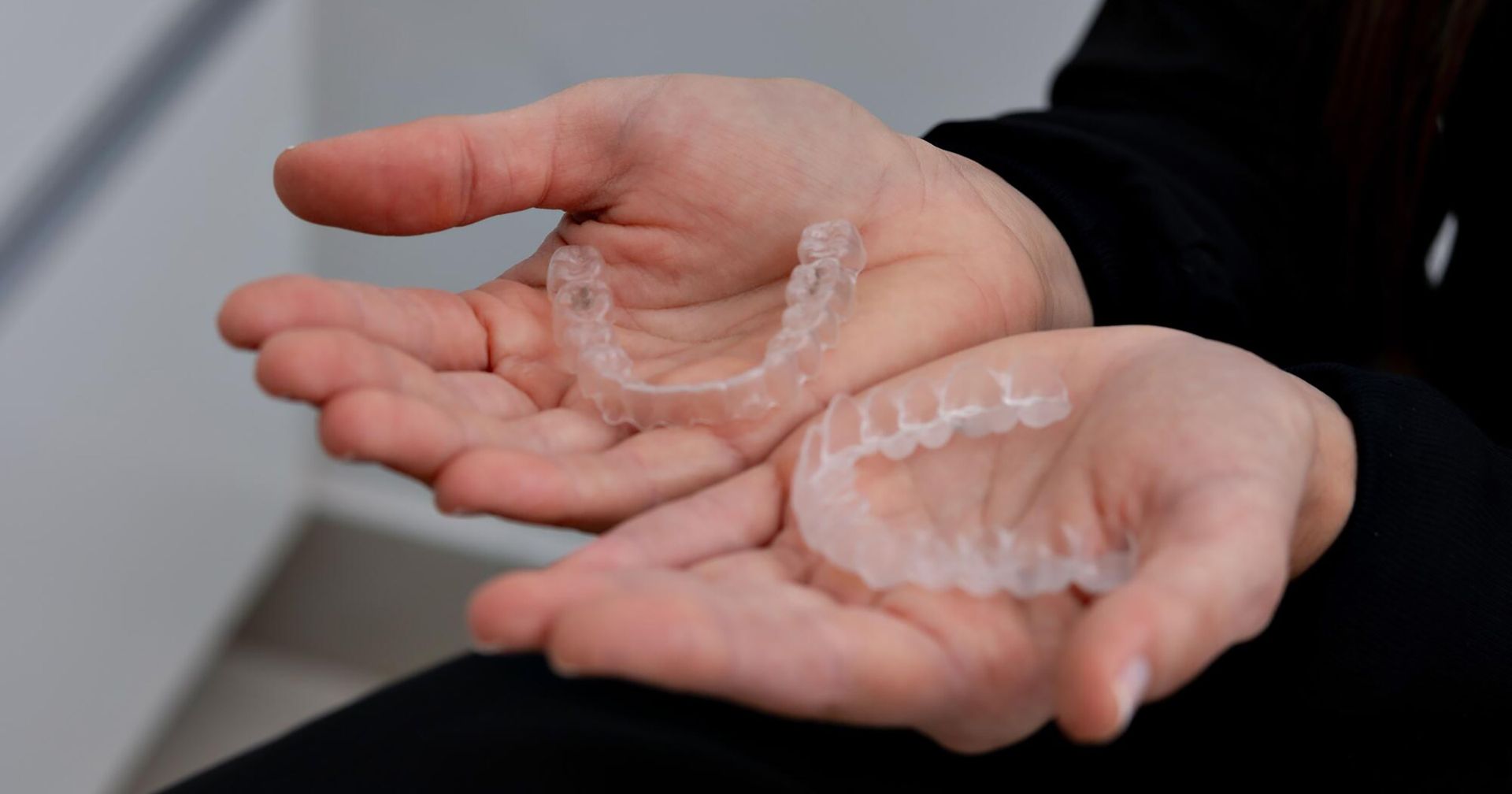
- Dental splints like mouthguards to be worn at night to relieve pressure on the nerves
- Jaw surgery in severe cases
How Long Does It Take for Your Nerve to Heal After Treatment?
The healing timeline depends on how severe the damage is. Mild cases can take months or weeks to heal, while severe ones can take more than a year to improve. Compared with other tissues in our bodies, nerves tend to take longer to heal.
Seek Help for Nerve Damage From a Dentist in Garland, TX
What causes a toothache? Discomfort in your mouth and jaw may be caused by nerve damage. Some of the signs that jaw pain is associated with the trigeminal nerve are burning sensations, unexplained tooth sensitivity, and facial numbness. A dentist in Garland, TX, will examine the issue and treat the nerve damage accordingly.
At Oak Ridge Dental, we use cutting-edge technology to ensure we handle your dental health needs with efficiency and precision. Our main goal is to identify minor dental issues before they become serious.
Contact us today for a full-mouth rehabilitation.