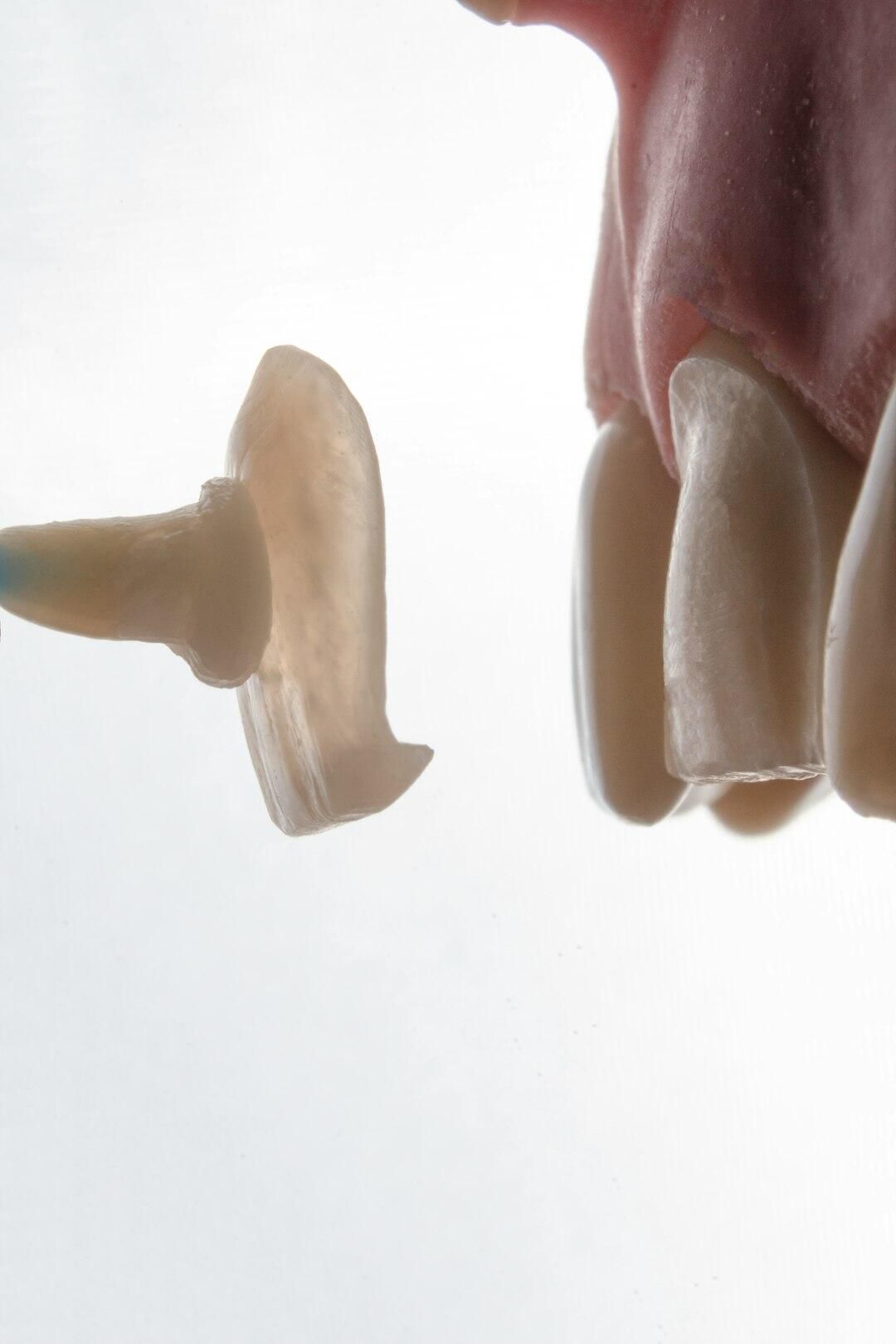
Grinding your teeth can crack, loosen, and wear down crowns and bridges faster than they are built to handle. You might not even notice this until your routine dental checkup. The reason is simple: teeth grinding exerts greater force than normal chewing, and it can affect your teeth even if the underlying tooth has been capped or replaced.
Imagine this scenario: you visit the dentist, expecting a routine visit. They clean your teeth, take X-rays, and then tell you there is a worn spot on one of them. You might not even notice at first, wondering what caused it.
The answer is easier than you realize, and it usually happens when you are asleep. Chronic teeth grinding is often a cause of
work stress, which is why you need to understand its mechanics, what to watch for, and what helps.
How Work Stress Leads to Teeth Grinding
Stress is not just psychological. It shows up other ways, such as:
- Tension in your shoulders
- Your grip on your phone while texting
- Your jaw
For a lot of professionals, especially those dealing with executive burnout, jaw pain and that tension carry straight into sleep. Your jaw clenches, and you start grinding with zero awareness of what is happening. Even worse, you might do this for hours, especially long after the workday has ended.
Dentists call this bruxism. It tends to spike during the rough stretches at work, deadlines, long weeks, anything stressful. The jaw ends up absorbing a large portion of that pressure, and you may not notice it until there is already visible wear to your teeth.
Signs Your Restorations Are Under Strain
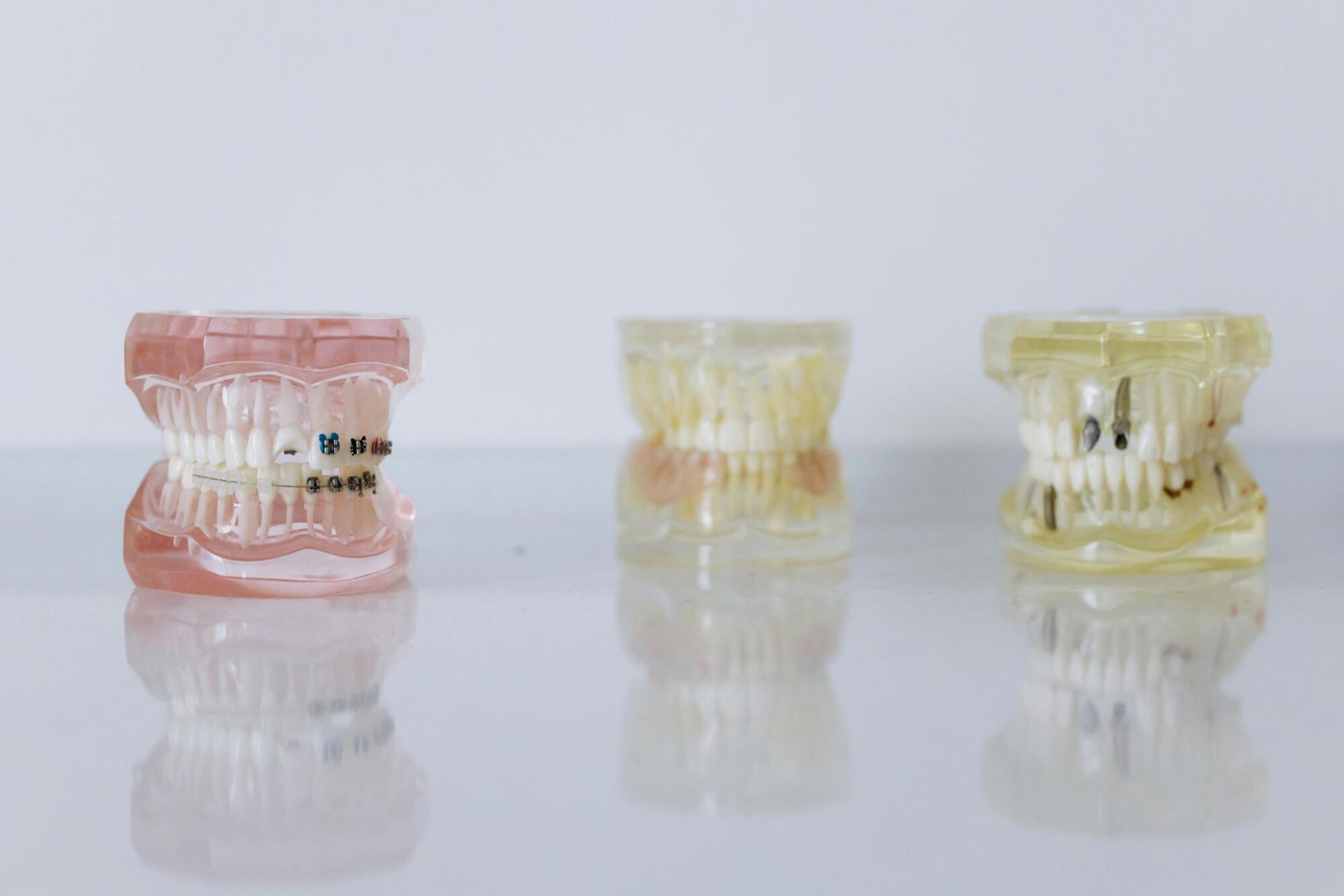
Crowns and bridges are built for regular chewing. They are not designed to withstand the kind of force bruxism places on them when you sleep. The wear is rarely noticeable right away, which is why your dentist might notice it during
a routine visit.
Watch for these:
- Small chips or rough edges on a crown
- A bridge that feels loose or shifts slightly when you bite
- Morning jaw soreness or headaches
- Sudden sensitivity around a tooth near a restoration
- Flattening on the biting surface that was not there before
When you catch it early, it is usually a small fix. Should you ignore it long enough, you may be paying for a full replacement instead.
Why Crowns and Bridges Are Vulnerable to Grinding
Real teeth have a little give, thanks to the ligament connecting them to the bone. Crowns and bridges have no cushion, so the grinding force usually acts directly on the material and the cement that holds it down.
Over time, that pressure leads to:
- Cracked porcelain crown repairs
- Loosened bonding
- Worn edges where restoration and tooth connect
Bridges carry additional risk, since the entire structure depends on the adjacent teeth for support. When grinding weakens one side, the other teeth start absorbing strain that a bridge was never designed to handle.
How to Protect Your Restorations From Nightly Damage
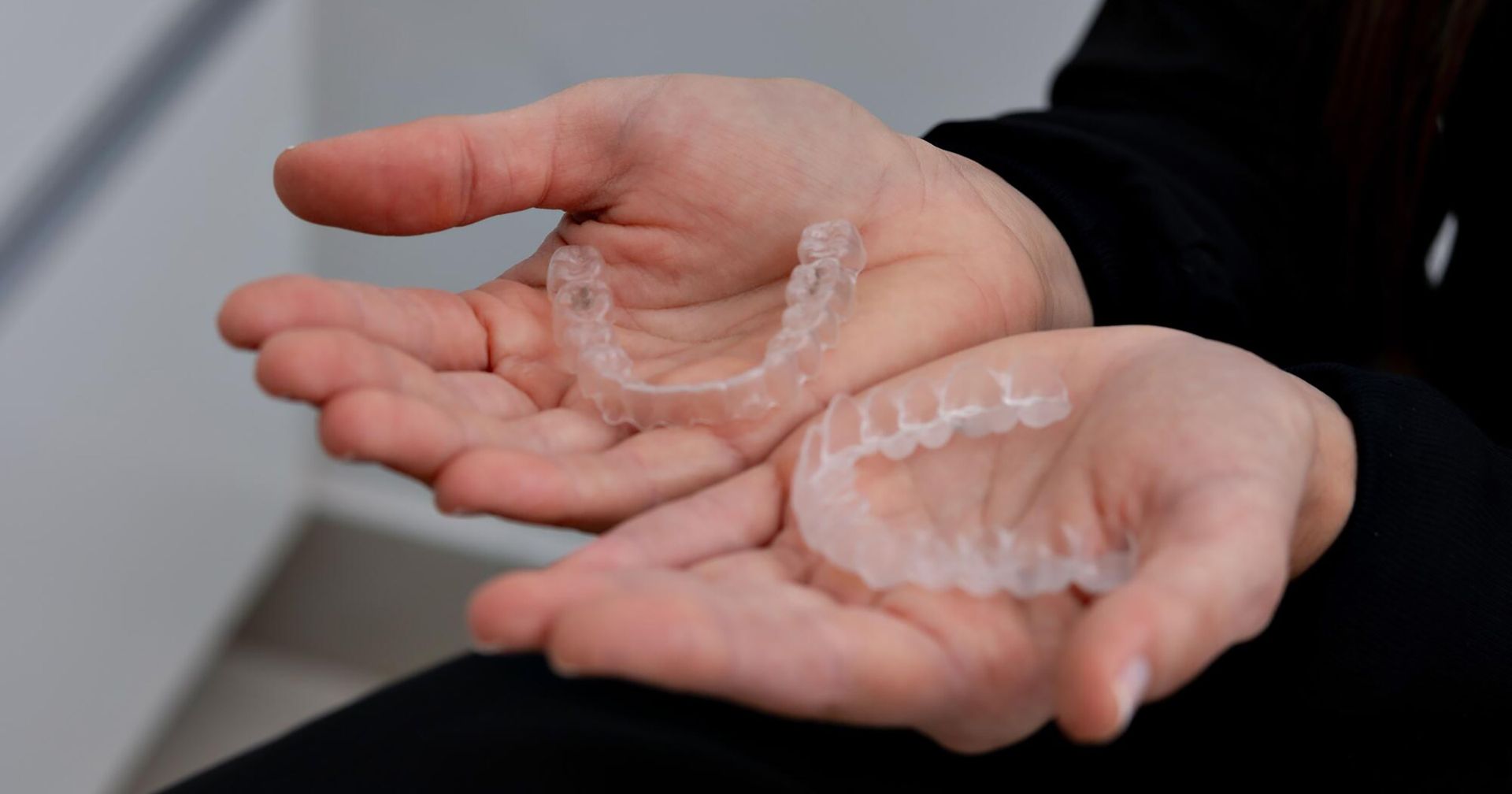
The best thing you can do is go to your dentist for nightguard custom fabrication. These guards do the best job of absorbing the impact and protecting your dental crown or bridge.
Building better stress management habits is also helpful. You might want to:
- Stretch before bed
- Avoid coffee in the evening
- Talk to your doctor about exercise routines
Some people meditate, and others find that reading helps them relax. Whatever helps you reduce tension can also help reduce grinding in your sleep. Less stress during the day tends to mean less grinding once you are actually asleep.
It is important to always follow up with your checkups. When your dentist catches early wear, it tends to be much cheaper than noticing it after more expensive damage has been done.
Frequently Asked Questions
How Do I Know If I Grind My Teeth at Night?
You may notice a sore jaw when you wake up. You may also have a dull headache that comes on for no reason, or your teeth may feel oddly sensitive. Watch for signs of temporomandibular joint dysfunction, such as clicking or tightness in the jaw joint itself.
Sometimes a partner hears it happening at night, or notices you grinding. Either way, a dentist can usually spot the wear pattern quickly. It is always best to visit your healthcare provider to rule out any underlying conditions that may be causing teeth grinding.
Can a Night Guard Really Protect a Crown or Bridge?
It can, if it is fitted properly. Drugstore guards can help, but the gold standard is a custom guard from your dentist, as it fits more tightly and significantly outlasts and outperforms anything you can purchase in the store. Speak with your
dental insurance provider, as this may be covered.
How Often Should Crowns and Bridges Be Checked If I Grind My Teeth?
Twice a year is the general rule of thumb, though heavier grinders might benefit from seeing their dentist every three months. A small chip caught early is a five-minute fix, done on the spot. When you catch these chips late, you may need a whole new restoration.
Again, contact your insurance provider and ask how many routine exams are covered per calendar year.
Is Stress-Related Grinding Permanent, or Can It Be Managed?
You can manage it, even if it never fully goes away. A night guard, stress reduction, and regular dental visits all help.
Schedule a Dental Checkup Before Grinding Gets Worse
Crowns and bridges are expensive, and grinding risks damage to these restorations every night you sleep with your teeth unprotected. Invest in a night guard, find ways to manage work stress, and schedule a routine dental checkup to help keep everything intact.
If you are waking up with a sore jaw, or you have noticed a chip or looseness in a crown or bridge, Oak Ridge Dental in Garland, TX, can take a look and fit you for a custom guard designed to withstand grinding. A routine dental exam now is significantly easier and more cost-effective than paying for a whole new restoration later.
Contact us today and set up an appointment!